
The Surprising Reason Hot Water Works Better Than Cold for Stain Removal
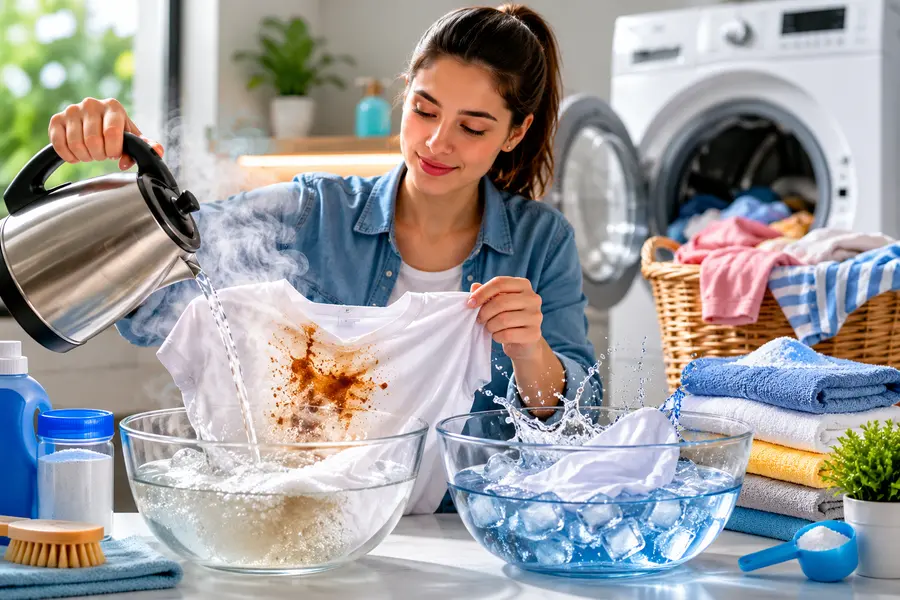
Hot Water Stain Removal: Why It Beats Cold Water
Stains may arise at inopportune moments. A little bit of coffee splashed just before work, an oily cooking mishap, some marks of mud after you’ve been outdoors, or a spill of food at the table with the family can very quickly become an annoying cleaning challenge. So when this occurs, one of the first questions people have is: Do you wash in hot or cold water? Homes have been divided for years on what to do.
Some swear by hot water to get every stain out more quickly; others will only wash in cold water when it comes to fabric care. The truth lies somewhere in the middle. The science of stain removal: hot water vs cold water can explain why temperature changes cleaning efficiency so greatly. The temperature of water affects many things, such as how stains get dissolved, how detergents get activated, and how fabric reacts to a washing cycle.
Meanwhile, the right treatment choice also provides fabric-safe stain removal that enables clothes to get cleaner while clothes to maintain them look progressively better with time.
Why Temperature Changes Cleaning
Water temperature has a direct influence on the way cleaning takes place at the microscopic level. As water molecules move faster when water is heated. This increased motion helps the water and the detergent to get deeper into the fabric fibres. Consequently, certain stains can relax and exit the fabric more readily. Cold water acts differently. Because the pace is slower, the cleaning becomes softer. This can be beneficial to prevent shrinking and fading. That’s just not how temperature works in cooking. In reality, temperature plays quite a big role in cooking. A wrong temperature setting might not only reduce the cleaning efficiency but can also set a stain, making it harder to eliminate. Hot water versus cold water stain removal science reveals that the secret to perfect stain removal lies in harmonising temperature with both the stain type and fabric condition.
How Hot Water Loosens Stains
Hot water is quite a consistent performer since it helps substances to dissolve better. Warmth mainly makes oils and fatty dirt more manageable, as heating oil and fat renders them less viscous and easier for detergents to break down. That is the reason why kitchens, catering facilities, and homes with grease stains that they want to get rid of are more likely to opt for warm wash cycles. Detergent efficacy is also enhanced by hot water. As with any benefit, it’s not going to apply to every stain. Like many cleaning products, it works more quickly when it’s warm, so the ingredients can travel evenly across the fabric. However, the attribute is not with respect to every stain. For stubborn grime and heavy buildup that go beyond routine laundry care, many households also turn to deep cleaning specialists for more thorough cleaning solutions.
The table below shows where warmer temperatures generally work best.
| Stain Type | Preferred Temperature |
| Grease | Warm to hot |
| Oil | Warm |
| Makeup | Warm |
| Coffee | Warm |
| Heavy soil | Warm |
| General laundry | Warm |
For many Australian households, warm washing often delivers better results than extremely hot settings.
Why Cold Water Still Matters
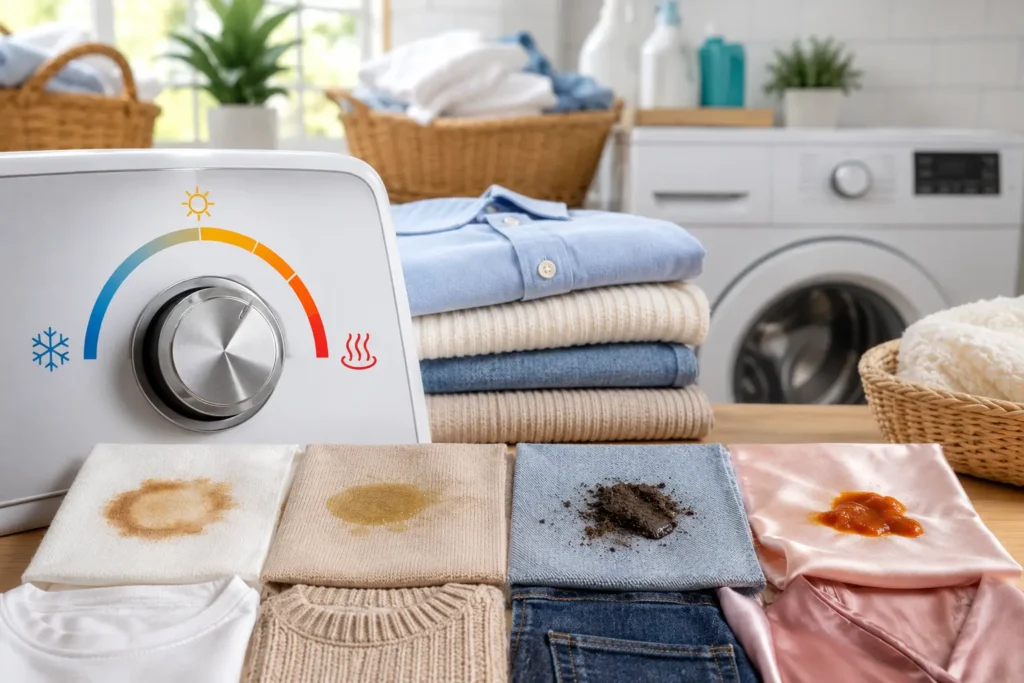
Cold water remains vital for good laundry care. Some stains don’t like heat. Protein stains are harder to clean up if you set them with high heat during cooking. Washing cold not only causes less wear on the fabric but also saves a lot of energy. This is particularly good for families who want to protect clothing while they watch their utility bills. Cold cycles are also recommended for delicate items, colour preservation and certain stains that may get set if heated. So in terms of practical application, understanding the strengths and limitations really makes hot water vs cold water stain removal science more usable on a day-to-day basis. Cold water cleaning is generally assumed to provide inferior cleaning power, but due to significant improvements in detergent technology, today’s detergents perform better at low temperatures than in the past.
Detergent Changes The Outcome
Water temperature is hardly ever the reason that leads to the removal of difficult stains. The major part of cleaning involves detergent that breaks down oil-based dirt, prevents the particles from settling, and helps with rinsing. Temperature only influences the extent of detergent’s effectiveness. Usually, hot water helps the detergent melt rapidly and get across the whole area. Though, these days, a lot of detergents are made with lower temperature washing in mind. So, removing the stain well will really be a matter of what detergent one uses and what water temperature is picked. More detergent than what’s recommended won’t give better results and may be the reason for residue sticking around. In many cases, even fabric safe stain removal hinges on getting the right product as much as the temperature.
Protect Fabrics While Cleaning
It’s rare for people to consider and treat the clothes differently when doing laundry, which is one of the most frequent mistakes. But, various fabric types react differently to water temperature. Some textiles are even able to endure a warm setting, while others are best preserved at a cool temperature to maintain their safety. The simple way to be safe from getting your clothes shrunk, faded or changed in texture without your knowledge is to follow the care labels closely.
The table below provides general guidance.
| Fabric Type | Recommended Temperature |
| Cotton | Warm |
| Polyester | Cold to warm |
| Linen | Cold to warm |
| Wool | Cold |
| Silk | Cold |
| Activewear | Cold |
Sustaining the quality of fabric over time is vital for safe fabric stain removal. Cleaning must remove stains without damaging the appearance.
Common Temperature Mistakes
Many of the stain removals that fail are caused by small errors, not by impossible stains. Hot water application immediately without stain identification can lock the marks deeper into the fibres. Treatment is also less successful if treatment is delayed. The washing machine becomes overfilled, not allowing for circulation, and the detergent can’t make for an even trip to all the clothes. If garments are dried before it is checked that stains are fully removed, any residue left behind can be set permanently. These habits result in more work, and often a shorter lifespan for garments. Better cleaning should be achieved by enhancing the cleaning regimen rather than by making it harsher.
Build Better Laundry Habits
Most times, efficient stain removal is the outcome of regularly practised habits. Hands-on cleaning of stains sooner rather than later gives the cleaning agents a chance to do their job before the stains become deeply embedded in the fabrics. Choosing the right water temperature for the kind of stain not only enhances the efficacy of the treatment but also lessens the need for strong chemicals. Labelling, choosing the right detergents, and not exposing them to excessive heat are simple ways of getting cleaner clothes besides doing these. In different parts of Australia, residents are faced with varying conditions each season – from moist coastal areas to arid inland places. That is why adaptable washing schedules are more effective than a single method of washing. What may seem like decorous cleanliness changes- small tweaks in the cleaning process often lead to greatly increased results.
Conclusion
Some people think that hotter water leads to better stain removal. What the research on using hot or cold water for washing shows is that detergents work better at average warm temperatures and also that grease and oily stains get loosened more through those temperatures. Meanwhile, cold water is still the best option for gentle fabrics and stopping heat-sensitive stains from going permanent. Knowing how to match temperature with careful stain removal lets people do laundry better and at the same time make clothes look good for a longer time. Extreme temperatures for washing do not give the best cleaning results. The best cleaning results come from deciding on the right way for each stain. Many of the same principles apply throughout the home, as explained in the complete living room cleaning guide for every surface.
Related Posts
How to Make a Dust-free Home with 10 Best and Easy Ways?
Have you ever felt like, however much you clean, the dust comes back? And if…

Complete Living Room Cleaning Guide for Every Surface
Does your living room still have dust after you clean it once a week? Many people…

How Can I Clean My Oven Without Spreading Harmful Chemicals?
How Can I Clean My Oven Without Spreading Harmful Chemicals? Does your oven resemble more…