
Rental Inspection Cleaning Protocols for Property Managers
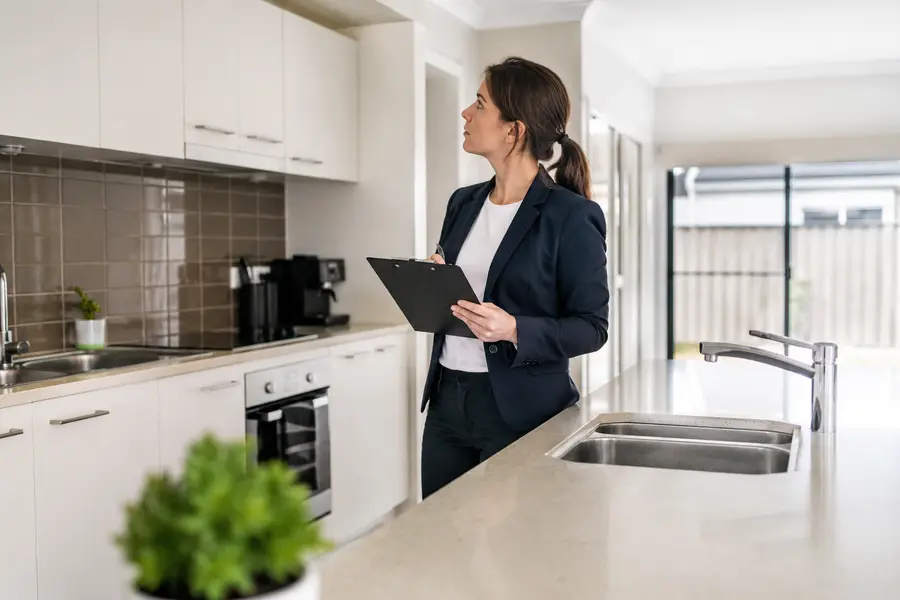
The responsibility property managers bear when readying rental homes for inspections is significant, as every visit to the home is a reflection of how that property is maintained and whether it meets current standards. A systematic rental inspection cleaning process identifies cleanliness problems early before they get costly and also generates a positive image for landlords and tenants. Consistent inspections are also a motivator for better overall property care during the tenancy, as opposed to just at the end of a lease.
With the right cleaning techniques, property managers can save hours of cleaning time and avoid complaints while preserving property value and facilitating easy inspections in residential properties all over Australia.
Why Inspection Cleaning Matters
A clean rental property allows the rental inspection to run smoothly and efficiently for all parties. Dust, stains, mold, grease and mess can conceal maintenance issues that need to be attended to before they become bigger problems. Regular rental inspection cleaning enables property managers to see the real state of the house rather than being diverted by unnecessary disarray. Also, it shows professionalism and gives the landlord peace of mind that the investment is being properly looked after. Tenants benefit too since expectations are kept clear, inspections are less stressful and minor cleaning jobs are taken care of before they turn into bigger maintenance issues.
Create Standard Cleaning Protocols
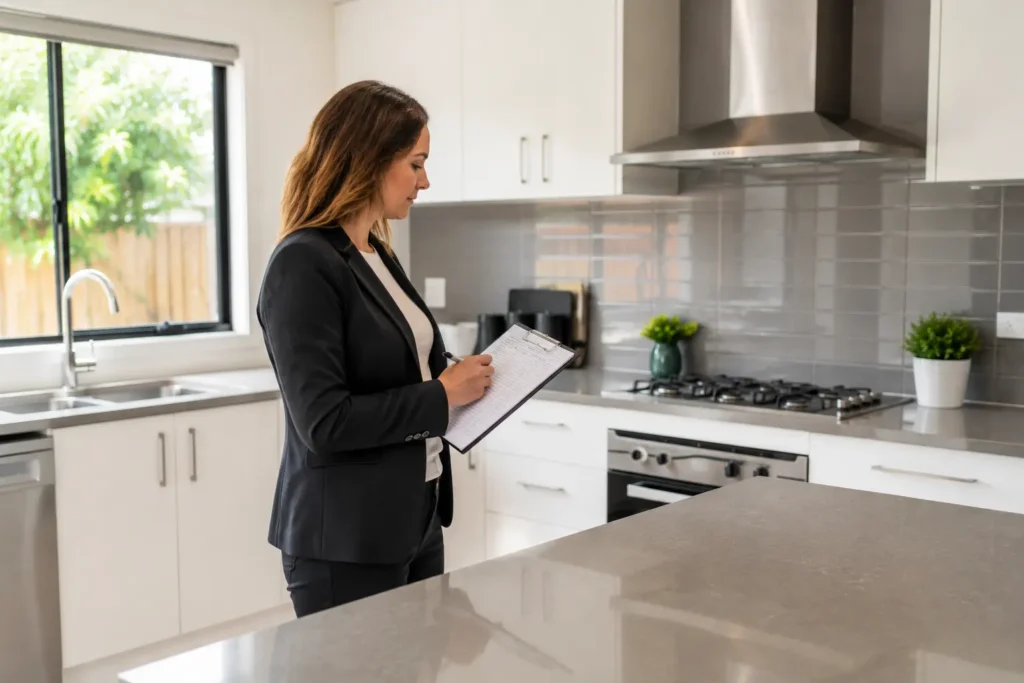
A property manager needs to have a uniform inspection checklist for all his properties, because at the end of the day, same applies with homes, they need to be clean, no matter how big or small they are. A routine enables each room to be treated equally when shooting tenant inspection cleaning, leading to less missed spots, and better reporting. Kitchens, bathrooms, living rooms, bedrooms, hallways, windows and outdoor areas should all be checked with the same set of cleaning criteria. Documented protocols also make it easier for staff to conduct inspections in a uniform manner and for communicating with tenants and landlords throughout each and every property management transaction.
Inspection Cleaning Checklist
| Area | Cleaning Focus | Inspection Purpose |
| Kitchen | Benches, sink, stovetop, cupboards | Check hygiene and surface condition |
| Bathroom | Shower, toilet, vanity, mirrors | Identify mould, leaks, or damage |
| Living Areas | Floors, skirting boards, windows | Assess cleanliness and maintenance |
| Bedrooms | Carpets, wardrobes, windows | Look for stains and wear |
| Laundry | Sink, floor, cupboards | Check moisture and cleanliness |
| Outdoor Areas | Paths, bins, gardens | Maintain property presentation |
Focus On High-Traffic Areas
Those parts of a property that are subjected to the most foot traffic should get stained or damaged easily. In comparison, areas that are not used very often tend to be cleaner and look more pristine, with fewer grime, scratch or wear marks than those that are heavily used. Regular maintenance and cleaning should be prioritized in places like doorways, kitchens, hallways, bathrooms, and living rooms and the commonly checked areas. As dust settles and gets into every nook and cranny, it’s time to give the floors a good vacuum and cleaning and then remove footprints from the doors and give light switches one good wipe to eliminate any smudges. For carpeted high-traffic areas, expert fabric care helps remove deep-seated dirt, stains, and allergens while maintaining a cleaner appearance for rental inspections.
Encourage Tenant Preparation
Cleanings are all around successful when the tenants have been informed of what is expected of them well ahead of time in advance of the day of the inspection. A warm reminder with practical tips on how to prepare for participation finishes the residents’ opportunity to do some basic cleaning without having to feel hurried or stressed. Instruct tenants to take out trash, clean their kitchen appliances, wipe down bathroom surfaces, vacuum the carpet and clean any outdoor areas prior to showing on the day of inspection. The idea of being a team player when it comes to tenant inspection cleaning up discourages communication issues or misinterpretations and aides in building positive rapport between the property manager and tenant.
Check Hidden Cleaning Areas
Visually the best looking things are those that are noticed first. Still, there are places that people never really see yet can be sources of problems on cleanness and maintenance. Property managers during every visit need to look at things that you wouldn’t normally see. Open cabinet appliances behind appliances are some places also, the space under sinks, in window tracks, on ceiling fans, air vents, baseboards, and in closets. The addition of concealed areas in all rental inspection cleaning regimens encourages a more comprehensive evaluation and aids in the detection of maintenance problems in the early stages. Thorough inspections can save landlords and tenants the expense of cleaning and repairs that might be unnecessarily incurred.
Frequently Missed Cleaning Areas
| Often Overlooked Area | Why It Matters |
| Window tracks | Collect dust and insects |
| Ceiling fans | Spread dust throughout rooms |
| Exhaust fans | Affect ventilation efficiency |
| Behind appliances | Hide grease and pests |
| Light switches | High-touch hygiene point |
| Door frames | Show dust and fingerprints |
| Skirting boards | Reveal overall cleaning quality |
Document Cleaning Results Properly
An Accurate paperwork will allow you to manage your rental property professionally and reduce disputes after inspections. Property managers should document their observations with detailed notes and, where appropriate, with dated photographs. Cleaning issues should be clearly outlined in objective terms, with no personal assumptions made about tenants. Good rental inspection cleaning documentation, leads to excellent historical documents which are used to track trends in property conditions. A well-written report will also work as an effective medium to bring up the matter of maintenance, professional cleaning, or repair with the landlord.
Schedule Regular Inspection Cleaning
Waiting for the large inspections can be in vain because over several months dirt, dust and minor maintenance issues build up gradually. Rather, property managers should promote routine cleaning regimens that make homes perennially presentable between inspections. Dusting and other routine cleaning not only saves time and effort required before inspection and checking works, but also ensures that the living conditions of the tenants stay reasonably clean and habitable. Apart from that, periodic cleaning can go a long way in improving the air quality of the indoors by eliminating dust, allergens, and minimizing the chance for growing mould. Preventative cleaning saves time, cost of maintaining property in long term and keep the property looking good throughout the tenancy.
Work With Professional Cleaners
Professional cleaning services can be a great help if you need a more intensive clean than just general upkeep. Professional cleaners are aware of what inspections look for and apply commercial strength products to treat tougher stains, grease, mould and accumulated dirt in a way that is not available to household cleaners. Property owners’ areas riled up on a busy workday. We all get ourselves into a busy schedule. Use of more aid should be available from them in any sense numerous local cleaning services when additional help is needed. Professional rental inspection cleaning also assists landlords by enhancing presentation prior to inspections and by reducing the risk of negative inspection reports through avoidable cleanliness concerns. Understanding the surprising reason hot water works better than cold for stain removal also highlights why professional cleaning methods are often more effective at removing stubborn stains before rental inspections.
Conclusion
Effective cleaning protocols during inspections enable property managers to meet high property standards and provide landlords and tenants with positive experiences. A routine rental inspection cleaning schedule guarantees that should any room be missing the same level of clean attention on a consistent basis, dirty corners or hidden areas are uncovered and soiled areas are cleaned, and maintenance problems are caught up front instead of allowing them grow into expensive fixes. The result is stronger inspections across the board clear communication, structured evidence, scheduled maintenance and professional cleaning assistance. Australian property managers who implement these pragmatic tenant inspection clean strategies retain their time, the integrity of the property, avoid disputes and deliver professional rental inspections consistently throughout every stage of the tenancy.
Related Posts
Complete Living Room Cleaning Guide for Every Surface
Does your living room still have dust after you clean it once a week? Many people…

An All-Inclusive Guide to Home Upholstery Cleaning
Home Upholstery Cleaning Guide – Easy & Safe Methods Have you ever collapsed into an…
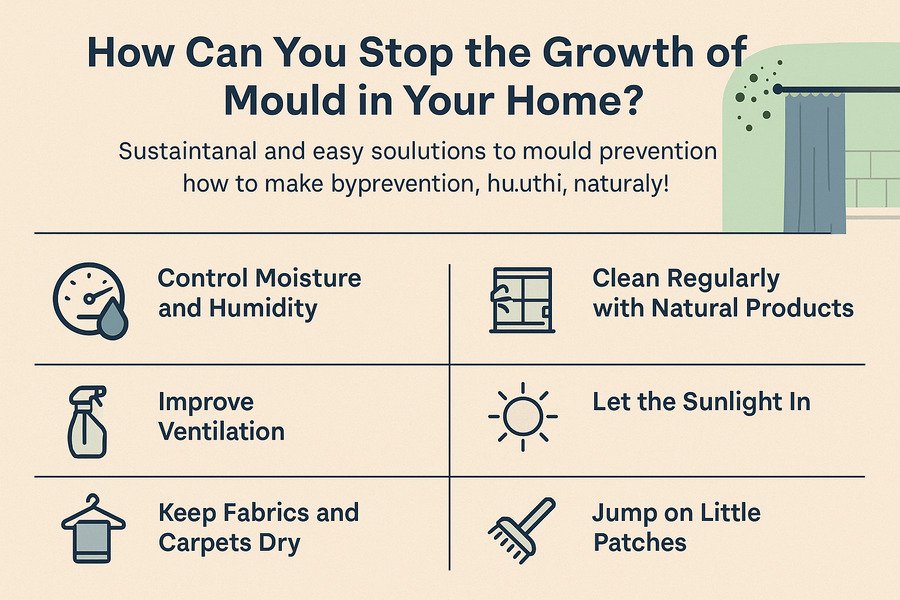
How Can You Stop the Growth of Mould in Your Home?
Stop the Growth of Mould with Simple Home Tips Have you noticed any black spots…