Essential Bond Cleaning Tools Every Tenant Needs
Key Takeaways
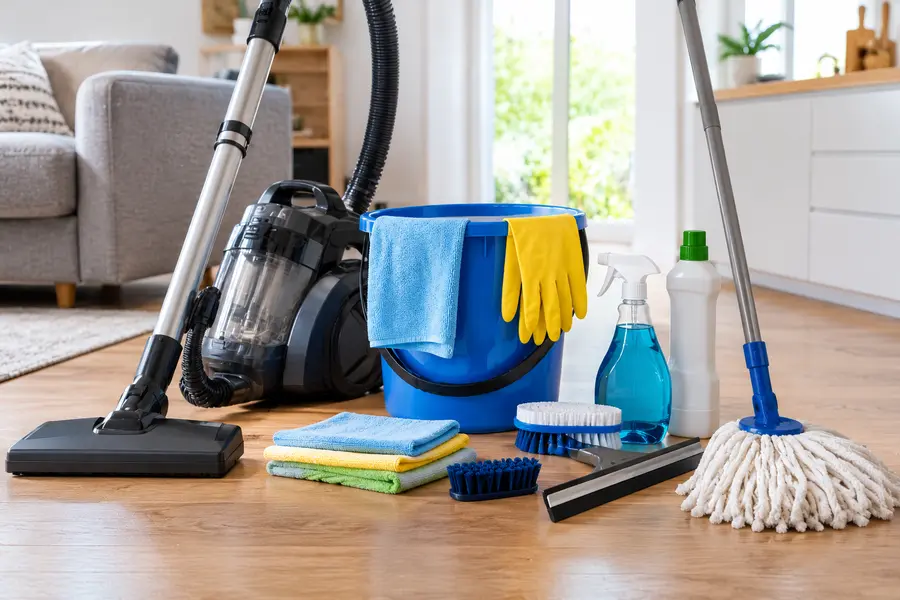
- Use a quality vacuum cleaner for carpets, floors, corners and edges
- Keep microfibre cloths for dusting, wiping and polishing different surfaces
- Choose suitable brushes for bathrooms, grout, kitchens and stubborn stains
- Use a squeegee to reduce water marks on glass and shower screens
- Protect your hands with reusable cleaning gloves during detailed cleaning
- Keep a mop and bucket ready for hard floors and final touch-ups
- Use non-toxic cleaning products where possible, especially around children and pets
- Check your rental inspection checklist before deciding which areas need extra attention
Vacating a rental is more than just boxing up your belongings and handing over the keys. A thorough clean can help you leave the property in good condition and make the bond process easier. Whether you’re preparing for bond cleaning in Toowoomba or cleaning your rental yourself, having the right tools can make the job faster and more organised. Simple cleaning tools can make a big difference when tackling different surfaces and areas of your home. In this blog, we will discuss the essential bond cleaning tools everyone should have, how to use them, and which areas of the house need the most attention.
Why Tools Matter For Bond Cleaning
Bond cleaning is a very thorough job across many parts of a rental property. Apart from kitchens, bathrooms, bedrooms, flooring windows and outdoor areas these days people might want to pay attention to other household areas as well. Using wrong tools not only can cause damage but might result in spots or leaving some of the soil there behind. Well-equipped you will be a much better cleaner of surfaces that may otherwise take quite some time and effort. Your cleaning priorities will be driven by your rental agreement and property condition report. Some properties may also have special requirements for carpets, gardens or outdoor spaces.
Build A Practical Cleaning Kit
An efficiently packed cleaning kit will save you time when you do your move out clean. Begin by stocking basic tools and products that work on a variety of surfaces and cleaning jobs. Then you can purchase specialised equipment for bathroom, kitchen and windows cleaning. Microfiber cloths your cleaning essentials should include gloves to be put on while cleaning, scrub brushes together with sponges. And a vacuum, a mop, a bucket and a squeegee are also very indispensable when you are going to give a thorough cleaning. This prevents you from having to make multiple trips to the supermarket as you clean for the last time.
| Tool | Main Use | Useful Areas |
| Vacuum cleaner | Removes dust and debris | Floors, carpets, corners |
| Microfibre cloth | Wipes and polishes | Benches, cupboards, glass |
| Scrub brush | Removes stubborn dirt | Bathrooms, grout, floors |
| Mop and bucket | Cleans hard floors | Tiles, vinyl, timber |
| Squeegee | Removes water and marks | Windows, shower screens |
Choose The Right Vacuum Cleaner

A vacuum is one of the most useful bond cleaning tools for tenants. It removes loose dirt before deeper cleaning and helps prevent dust from spreading onto clean surfaces. Use suitable attachments for different areas. A crevice tool cleans skirting boards, window sills, and tight spaces, while a brush attachment works well for vents, blinds, and delicate items. Vacuum rugs slowly to remove dust and hair embedded deep within the fibres. Empty the dust container or replace the bag regularly to maintain suction throughout the cleaning process. These steps are especially helpful when preparing a rental property for inspection in Toowoomba.
Use Microfibre Cloths Effectively
Microfibre cloths are multipurpose and can be used again and again. They can be used to dust, remove fingerprints and so on light dirt from a variety of places. They are especially beneficial if used in the kitchen, bathroom, wardrobe and living room. Apply separate clothes in different rooms then you’ll avoid cross-contamination of dirt. Colour-coding could help make this easier. For instance, one colour for the bathrooms and a different one for worktops in the kitchen. Just fold each cloth in sections so you can work with a fresh section as you go. The use of fabric softener should be avoided since it can decrease the cloth’s absorbency and the cloth’s cleaning effect.
Select Brushes For Tough Areas
Certain parts of rental premises might necessitate the use of brushes beyond clothes. Hard brushes will help to get rid of dirt built up on the sink faucets, sink corners and bathroom tiles. A second-hand toothbrush will enable you to get into tiny spaces for cleaning purposes. In fact, a big scrubbing brush is the better choice when it comes to cleaning floors and other surfaces. Yet you must not use too heavy brushes on fine materials as this can be really harmful. Suitable brush with appropriate bristles for the surface to be cleaned is a sure way not to cause damage and trouble yourself again!
| Cleaning area | Recommended tool | Cleaning tip |
| Tile grout | Grout brush | Scrub gently along grout lines |
| Shower screen | Squeegee and cloth | Remove water after cleaning |
| Oven | Non-scratch sponge | Follow the manufacturer’s guidance |
| Window tracks | Small brush | Vacuum loose dust first |
| Hard floors | Microfibre mop | Avoid excessive water |
Keep Floors Inspection Ready
Floors can go a long way to influence what a rented property looks like. Dust, hair stains, scratches can turn even a very nice room into a very dirty one quickly. You also need to clean different sorts of floor covering in their own ways. Before you mop your hard floors, vacuum. That loosens the dirt and stops it getting into that sticky muck. Most surfaces where you use the floor can handle a microfibre mop but you have to use the correct cleaning chemical. You have to vacuum your carpets very well. Keep hold of receipt or service record if the property manager comes to check that proof.
Clean Kitchens With Detail
Bond cleans are often needed in the kitchen area. Grease can accumulate on the cooktop, splashback, rangehood and cupboards close by. Food can also gather inside drawers and cabinets. You can use non-scratch sponges on surfaces that are suitable for their use. It is helpful to have a small detailing brush when cleaning handles, hinges and corners. Microfibre cloths are excellent for the last stage of the cleaning process where wiping and polishing are required. Don’t forget the other appliances too. Take some time and look for the bread pieces and dirt left behind in the cupboard and drawer.
Tackle Bathrooms And Glass

Dirt and grime should be regularly removed from bathrooms which are highly likely to get soap scum, hair and water stains accumulated to such an extent that cleaning becomes almost impossible. Spend most of your time cleaning the dirt off the areas like the shower toilet, the sink, the taps, tiles and floor. A grout brush will also allow you to clean the tile joins. Apply with a non-scratch sponge on appropriate surfaces. A squeegee helps in swiping off all the excess water from shower screens and windows. Search every corner of the bathroom, drains, behind the fixtures, etc. Such details may help you pass a rental inspection if it has to come to that.
Organise Your Final Inspection
After cleaning, inspect the property room by room. Not all the messes in one household are necessarily visible straightaway from the doorway. Examine every little room in your house thoroughly and do not miss those corners and edges that tend to collect dust and dirt even though they’re not easily spotted or approached. Open up the cupboard and see what is inside the wardrobe, you probably have never seen what is behind the closed drawer? If there’s a door, look at the back of it and attempt to crawl under furniture that is positioned there. Don’t give up your cleaning appliances until after the last walk-through. It is always easier to do small touch ups while your tools are still close at hand.
Conclusion
Having the right bond cleaning tools can make your move-out clean less daunting. An efficient cleaning kit doesn’t have to be expensive. A strong vacuum cleaner, microfiber cloths, brushes, a mop, a bucket, and a squeegee are effective for most cleaning tasks. Proceed room by room and don’t forget neglected corners and hidden spaces. Use suitable products and tools for each surface to prevent damage. For extra guidance, simple wall cleaning tips for busy homeowners can help you remove everyday marks and keep walls looking clean. Once everything is done, double-check your tenancy agreement and carry out a final inspection to identify missed areas before handing over the property.
Frequently Asked Questions
1.What are essential bond cleaning tools?
Essential tools include a vacuum cleaner, microfibre cloths, mop, bucket, brushes, sponges, gloves and a squeegee.
2. Do I need professional cleaning equipment?
Not always, most tenants can complete routine cleaning with good household equipment. Professional equipment may help with specialised cleaning tasks.
3. Which tool is best for grout?
A small grout brush is useful for cleaning tile joints. Use gentle pressure to avoid damaging the grout or surrounding surfaces.
4. Should I clean before the final inspection?
Yes, complete the cleaning before the inspection and allow time for final touch-ups. Check your tenancy agreement for specific requirements.
Related Posts
Complete Living Room Cleaning Guide for Every Surface
Does your living room still have dust after you clean it once a week? Many people…

How to Wash and Disinfect Granite Surfaces Step by Step
How to Wash and Disinfect Granite Surfaces Step by Step Have you ever felt yourself…
Simple Wall Cleaning Tips for Busy Homeowners
The walls constitute an amazing horsepower of your house and still, the wall cleaning gets…